What a pilot has to prove
A pilot is not episode one with extra pressure. It is a test with a specific question: do these people, in this situation, generate enough conflict to sustain a season? A drama pilot creator should make that test cheap and honest. In AI Drama Creator the pilot is simply the first card on a new series board, but the way you build it is different from a mid-season episode, because nothing exists yet.
The pilot has to establish three things in under a minute of vertical video: who the lead is, what they want, and what is standing in the way. If the stitched pilot leaves a viewer able to answer all three, the premise works. If it does not, you learned that before spending a season of credits, which is exactly what a pilot is for.
Premise and cast before a single frame
Start with the series bible: a logline, a tone, and the central tension. Then build the cast library. Each character is a set of reference images; each gets an outfit for the pilot and a voice style, which is a described manner of speaking rather than a recording of anyone. Add the two or three backgrounds the pilot needs and any prop the plot turns on. Library images are 3 credits each, and everything you build here is reused by every later episode.
This front-loaded work is what makes a pilot decisive. If the lead reads wrong in the reference images, you fix it now, before any scene is generated. A pilot creator that let you skip the cast would produce a pilot that cannot be followed by an episode two, because the faces would not carry over. Here the pilot and the season share a library from the first day.
The three-scene pilot
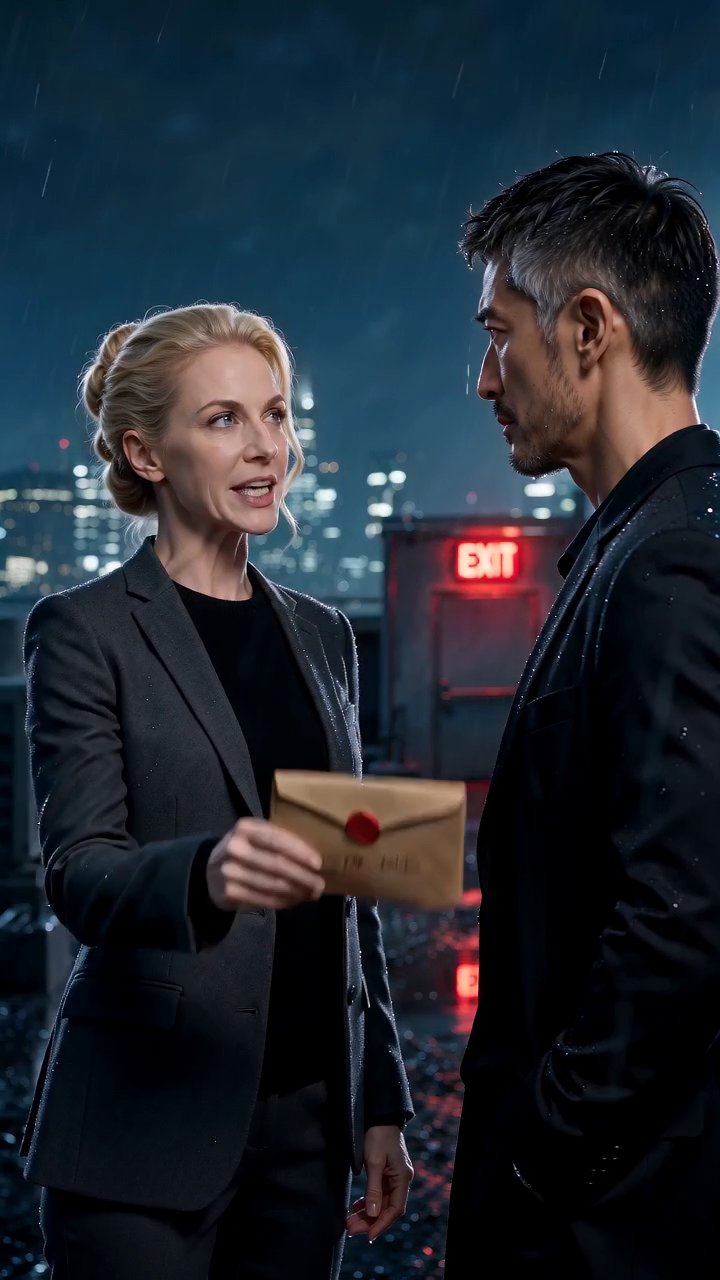
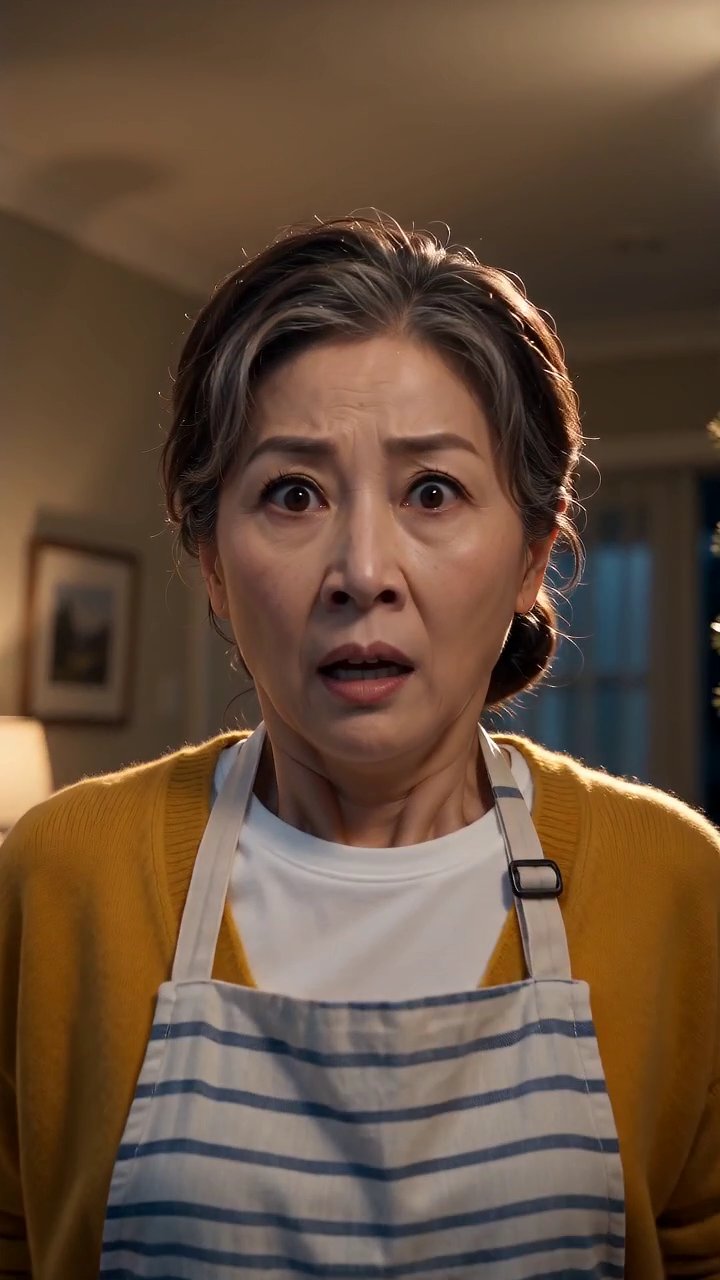
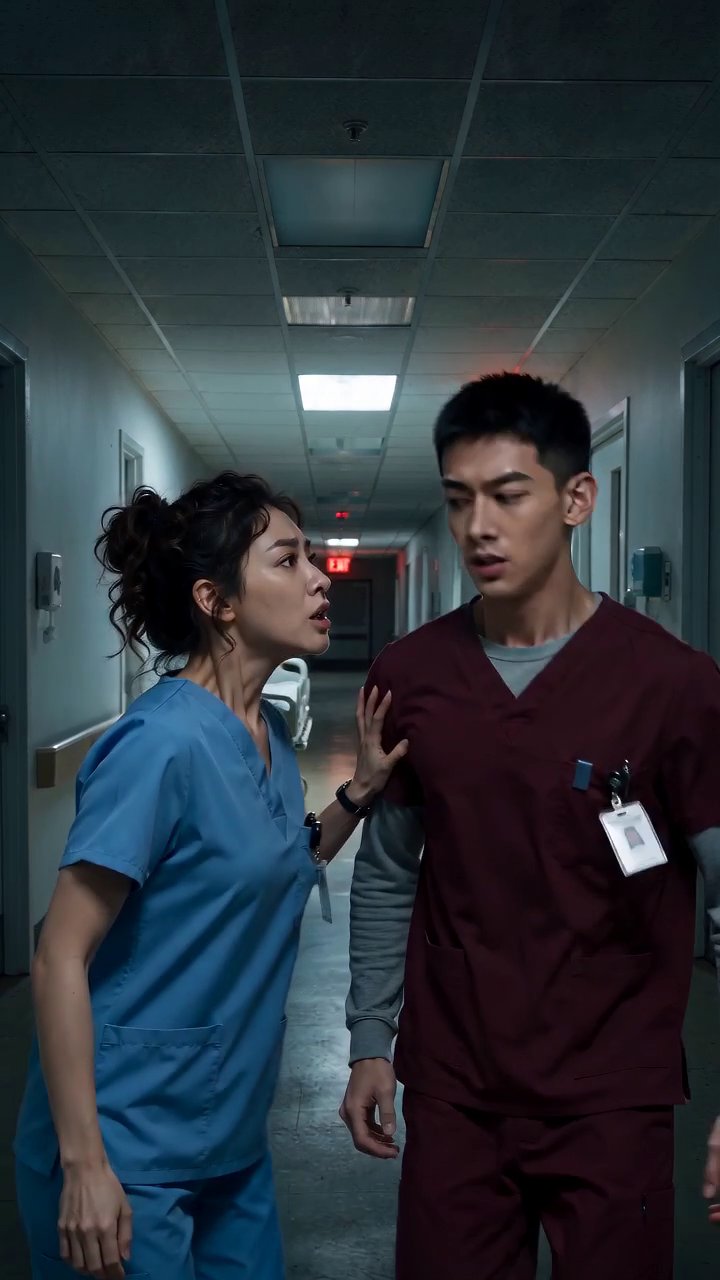
A tight pilot is three scenes. The cold open introduces the lead in motion, doing something that shows who they are without explaining it. The second scene brings the antagonist or the obstacle into the frame and states the want out loud, usually in a two-shot. The third scene is the cliffhanger: the ultimatum on the rooftop, the envelope opened, the answer withheld. Each scene is four to fifteen seconds in 9:16, so the whole pilot can run under forty seconds.
Three scenes is also a budget. At Standard 720p, three ten-second scenes are 180 credits, plus 2 to stitch. That is a complete pilot for well under the Episode plan's monthly allotment, and small enough that making two versions with different leads is a reasonable way to settle an argument about casting.
Stitch, watch, decide
When the three scenes are finished, stitch them. The server concatenates them in order into one vertical MP4, and the card moves to Finished. Watch it on a phone, the way the audience will, with the sound on. The questions to ask are blunt: did the lead register in the first scene, did the want land in the second, and does the third make you want a fourth?
If the answer is yes, write the cliffhanger field on the pilot card carefully, because the first next-episode suggestion will be drafted from the pilot's synopsis and that hook. If the answer is no, the fix is almost always upstream: a different obstacle, a sharper want, a lead with more to lose. Regenerate the one scene that failed, re-stitch, and run the test again. A pilot you can revise in an afternoon is a pilot you can trust.
The pilot budget
A pilot is the cheapest possible proof of a series. Two or three character images, a couple of outfits, three backgrounds, and a prop is roughly ten library images at 3 credits each. Three Standard 720p scenes at around ten seconds apiece are about 180 credits, and the stitch is 2. Everything in the library survives into the season, so the pilot cost is mostly an investment in continuity.
New accounts start with 2 free credits, which is enough to try a suggestion but not to render a pilot, so the Episode plan at $9 a month with 250 credits is the natural starting point. If the pilot works and you move to a season, the Season plan at $29 with 1000 credits or a one-time Box Set Pack on the billing page covers the run.