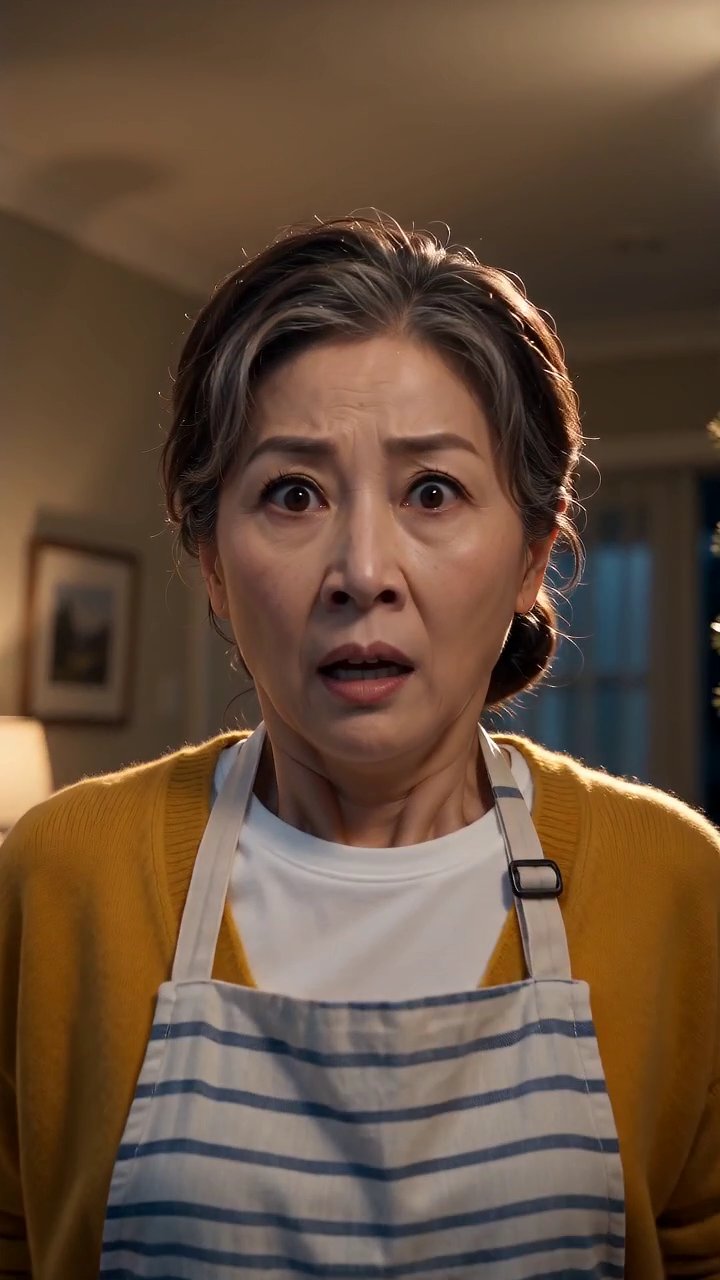
The last five seconds decide the next episode
In serialized short drama, the final beat of an episode is doing more work than any other moment. It is the reason someone taps the next episode instead of scrolling past. A cliffhanger generator treats that beat as a first-class field rather than an afterthought buried in a prompt. On every episode card in AI Drama Creator there is a dedicated cliffhanger line, and the closing scene of the episode is written to land on it.
This changes the order you write in. Many showrunners decide the hook first and then build the episode backwards toward it. The board supports that: fill in the cliffhanger for episode five before the synopsis exists, and the synopsis you write later has an obligation to earn that ending. A hook that is written down is a hook you can test against the scenes.
The cliffhanger field on every card
The field is short on purpose. One or two sentences describing the unresolved moment: a doorbell rings while the lie is still mid-sentence; a vote is called and the camera cuts before the hands go up; a phone screen lights with a name that should be dead. Keeping it brief forces clarity about what question the audience is left holding.
When you move a card into production and break it into scenes, the cliffhanger becomes the beat description of the final scene. You can stage it as a single close shot of four or five seconds, or spread it across two scenes, a setup and a cut to black. Either way it is generated against the same cast library as everything before it, so the face that reacts to the doorbell is the face the audience has followed since the cold open.
Kinds of hooks that work in vertical drama
Not every cliffhanger is a cliff. The arrival hook brings a new person into the frame at the last second. The reversal hook has a character do the one thing the previous scenes said they would never do. The information hook puts a document, a text, or a photograph into someone's hands and cuts before we see their reaction. The decision hook ends on a question asked and not yet answered.
Because the season board shows all your cliffhanger fields in a column, patterns are obvious. If episodes two, three, and four all end on an arrival, the run feels mechanical. Varying the type of hook across the season is one of the simplest ways to make a series feel written rather than assembled, and seeing them side by side makes that variety easy to plan.
Picking up the thread with next-episode suggestions
A hook is a promise, and the next episode has to keep it. When you ask for a next-episode suggestion, it is drafted from the synopses and cliffhangers of the episodes that came before, with the most recent cliffhanger weighted heaviest. The suggestion arrives as a proposed title, synopsis, and a fresh cliffhanger of its own, so the chain continues rather than resetting.
You edit the suggestion like any other card. Keep the opening beat, throw out the subplot, sharpen the new hook. The value is not that the draft is finished; it is that it already knows the doorbell rang, who was standing on the other side of the door in your outline, and which character has the most to lose when it opens. Continuity of plot is handled the same way continuity of cast is: by reading what is already on the board.
What a hook costs
Writing a cliffhanger in the field is free; it is text on a card. Generating the closing scene costs the same as any scene: 6 credits per second at Standard 720p, more for Cinematic or higher resolution. A five-second final shot at Standard is 30 credits. A next-episode suggestion that picks up the hook is 1 credit, and stitching the episode so the cliffhanger lands at the end of a single MP4 is 2 credits.
New accounts start with 2 free credits, which is enough to request two suggestions and see how the drafts build on your cliffhangers. The Episode plan at $9 a month covers 250 credits, the Season plan at $29 covers 1000, and one-time packs are there when a finale needs extra scenes. Plan details are on the billing page.